
CDL driver jobs in Apopka, FL
Class A company driver positions for Apopka and northwest Orange County. Weekly settlements and late-model equipment.
Late-Model Trucks & Trailers
$3,000-$5,000 Weekly
Flexible Home Time
Performance & Loyalty Bonuses
Company-Owned Terminal & Shop
24/7 Driver Support
Parking for Personal Vehicles
In-House Dispatch Team
$1,000 Referral Bonus
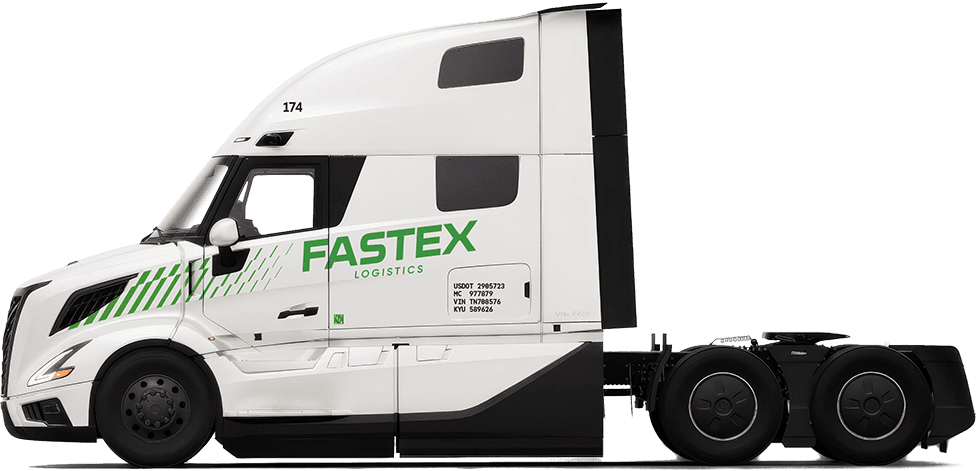
Fastex Logistics is hiring Class A CDL drivers who live in Apopka and the surrounding communities of northwest Orange County. Our terminal is at 9640 Sidney Hayes Rd, in the industrial corridor south of Orlando International Airport, roughly 30 miles from downtown Apopka.
These are company driver positions. Weekly pay runs between $3,000 and $5,000 depending on trailer type and lane assignment. Secure parking for your personal vehicle at the terminal is included.
Getting to the yard from Apopka does not mean crossing downtown Orlando. Most of our drivers take SR 451 to SR 429 south and then SR 414 east toward I-4, or run US 441 straight down. Plan on 35 to 45 minutes depending on the hour.
The fleet covers six assignment types: flatbed, stepdeck, lowboy, conestoga, reefer and bee hauling. We match assignments to experience we can verify. Drivers who want heavy haul start on open deck and move up once they have a record with us.
Benefits
- Competitive weekly pay, settled every week
- Up to 32% of gross
- Flexible home time
- $1,000 referral program
- Up to $500 for clean inspections
- 24/7 driver assistance
- Late-model trucks and trailers
- Fuel discount program
- OTR and regional lanes
- All 48 states covered
- Experienced dispatchers who answer the phone
- Company-owned terminal with an on-site maintenance shop
- Free secure parking for personal vehicles
Requirements
- Valid Class A CDL
- Minimum two years of verifiable experience
- No accidents in the last two years
- No more than three moving violations
A recruiter reads every application, including the ones that miss a line item. If you are close on experience, or you have a violation with context behind it, put your real numbers on the form and explain the rest on the call.
We run OTR and regional freight across all 48 states out of one Central Florida terminal. Drivers who start on flatbed and prove out on securement move to stepdeck, then to lowboy. That is how our highest-paid seats get filled, and the path is open to everyone on the roster.
QUICK APPLY
Two minutes, no resume upload. A recruiter will call you back.
Your next ride
The equipment behind our
Apopka driving jobs
We buy late-model Freightliner, Volvo, Kenworth and Western Star tractors and pair them with specialized trailers. Our own technicians service them at our own shop, so the truck you are assigned does not sit for a week waiting on an outside vendor. Here is what you would be pulling.
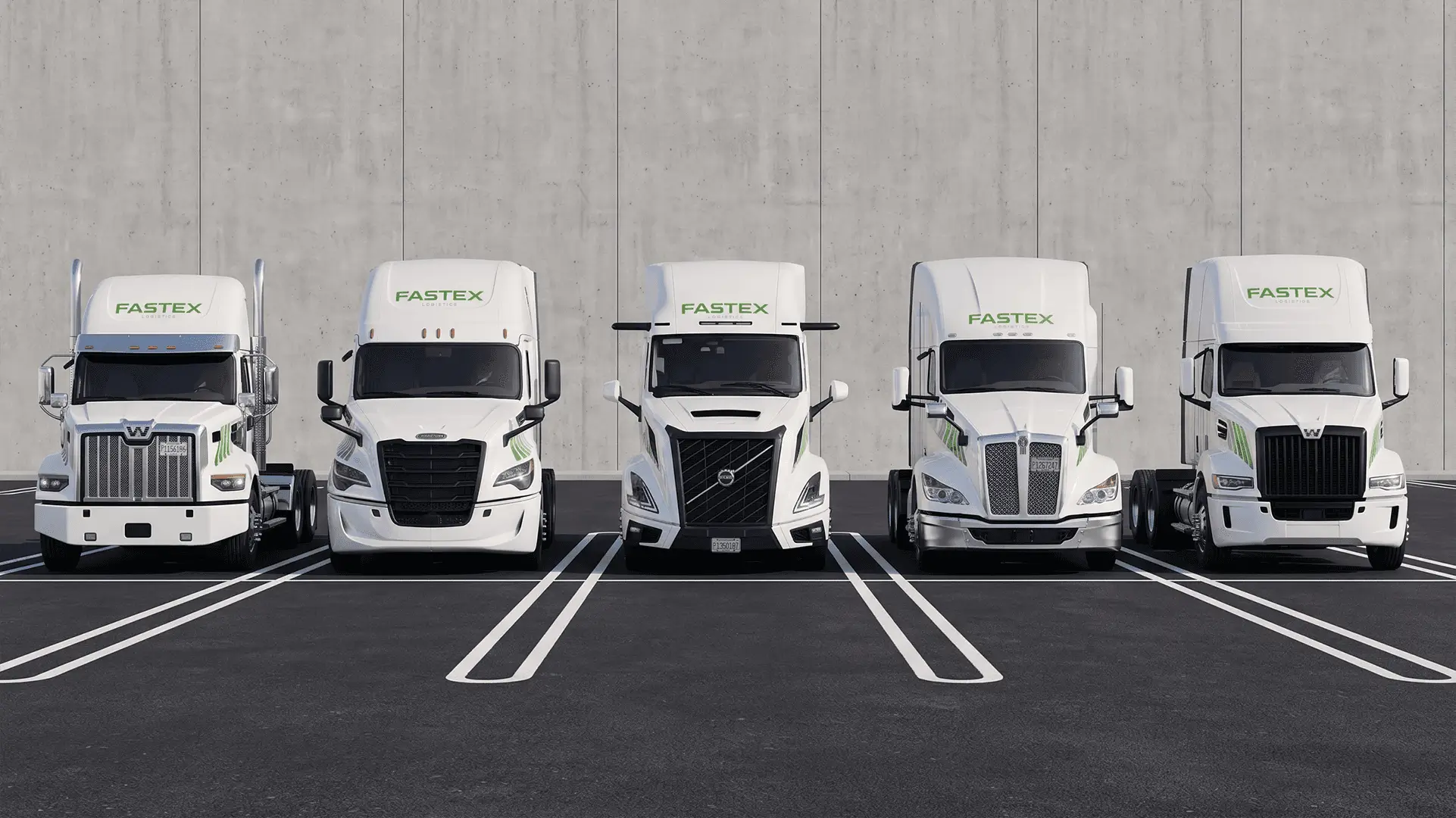
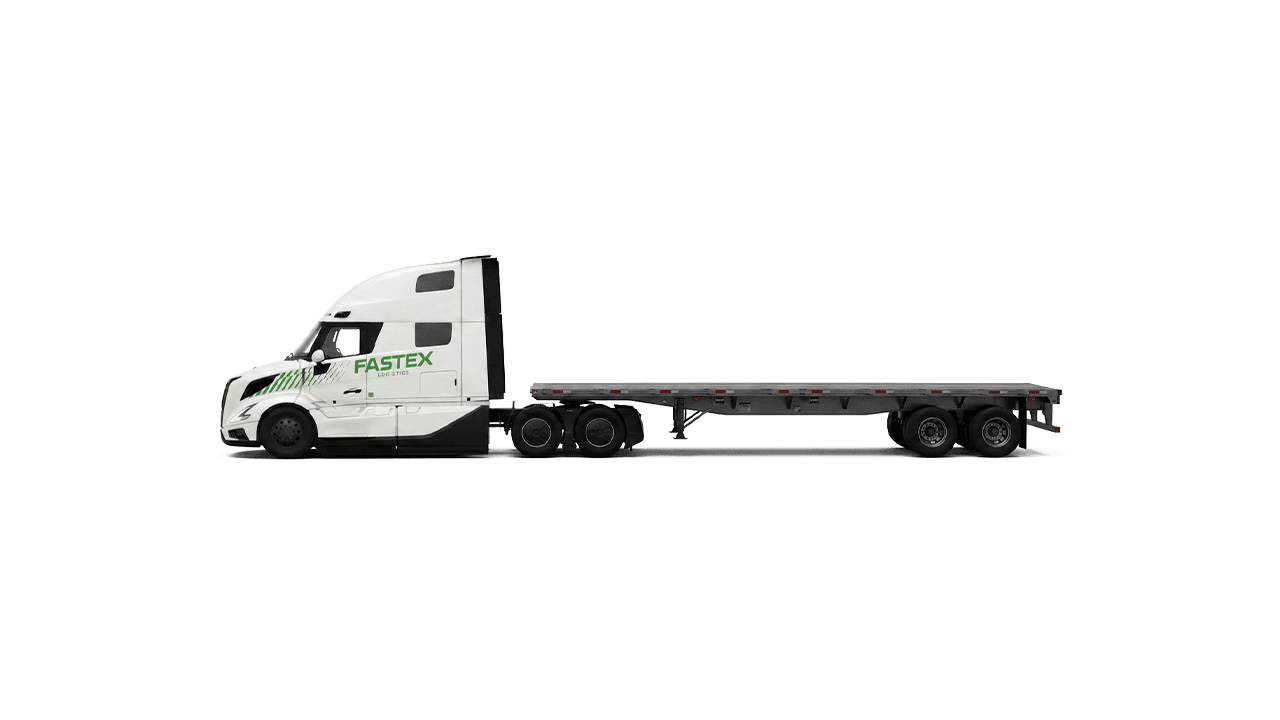
Flatbed
Flatbed is open deck freight with no walls and no roof. Out of Central Florida the standard loads are structural steel, lumber, pipe, drywall, roofing material and palletized building products headed to job sites across Orange, Lake and Seminole counties and north into Georgia. Northwest Orange County has been under steady construction for years, and that work is what generates the freight. Because the load is exposed, securement is your responsibility, and it is governed by FMCSA rules under 49 CFR Part 393. You will work with straps, chains, binders, edge protection and tarps depending on the commodity. Against dry van, flatbed trades physical work for less time sitting at a dock. Most pickups happen in yards or on job sites rather than at appointment doors, which keeps detention down. Flatbed is where our open deck operation starts, and the securement habits you build here carry straight into stepdeck and lowboy.
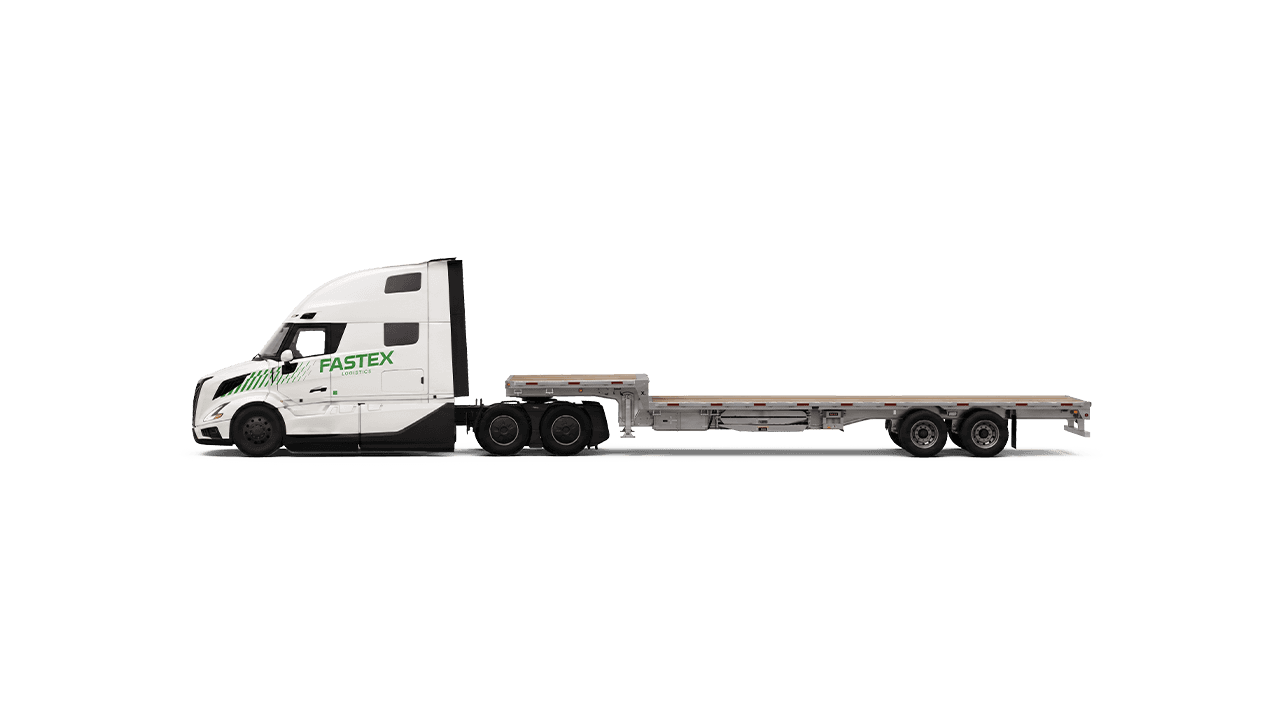
Stepdeck
A stepdeck, also called a drop deck, is an open trailer with an upper deck over the tractor and a lower main deck behind it. The lower deck sits at roughly 42 inches against 60 inches on a standard flatbed, which buys about 18 inches of usable cargo height. That clearance lets a load of roughly 10 feet move inside the 13 foot 6 inch legal limit without an oversize permit. Typical freight is compact excavators, skid steers, tractors, scissor lifts, crated machinery and tanks. Northwest Orange County produces a steady stream of it. Construction equipment moves between sites all year, and the farm and nursery operations around Lake Apopka run machinery that will not clear on a flatbed. Securement follows the same standards as flatbed with added attention to ramp loading and weight distribution across the deck. Some of our stepdecks carry integrated ramps for drive-on freight.
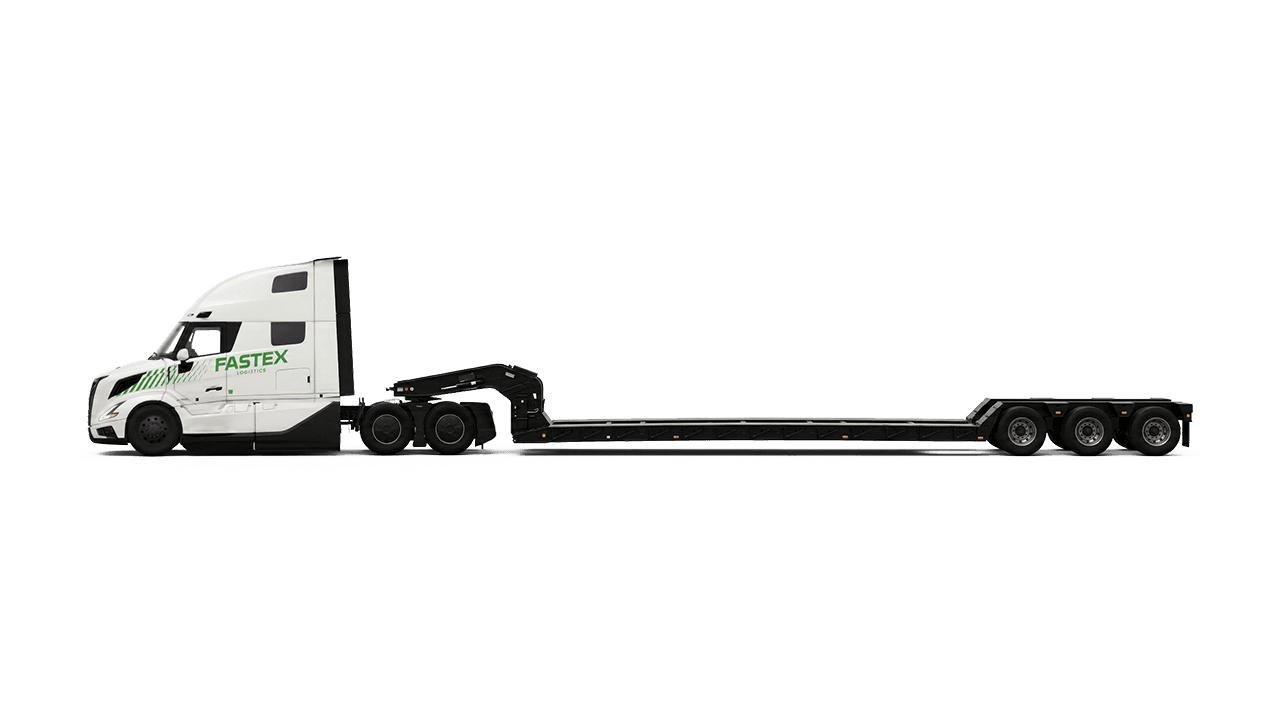
Lowboy
Lowboy carries the heavy equipment that will not clear height limits on any other open deck. The well sits between 18 and 24 inches off the road surface, which handles machine heights of roughly 11 to 12 feet. Most units use a removable gooseneck so equipment can be driven or winched on from the front. Typical loads are excavators, dozers, graders, cranes and other tracked or wheeled machinery. Many of them exceed legal weight or dimension and require state permits, and some Central Florida routes add escort or time-of-day restrictions on top of that. The assignment asks for working knowledge of axle weight distribution, permit conditions and where a machine sits on the deck. Lowboy is the highest-paid seat we have. We fill it from drivers with verified flatbed or stepdeck time rather than from outside hires.
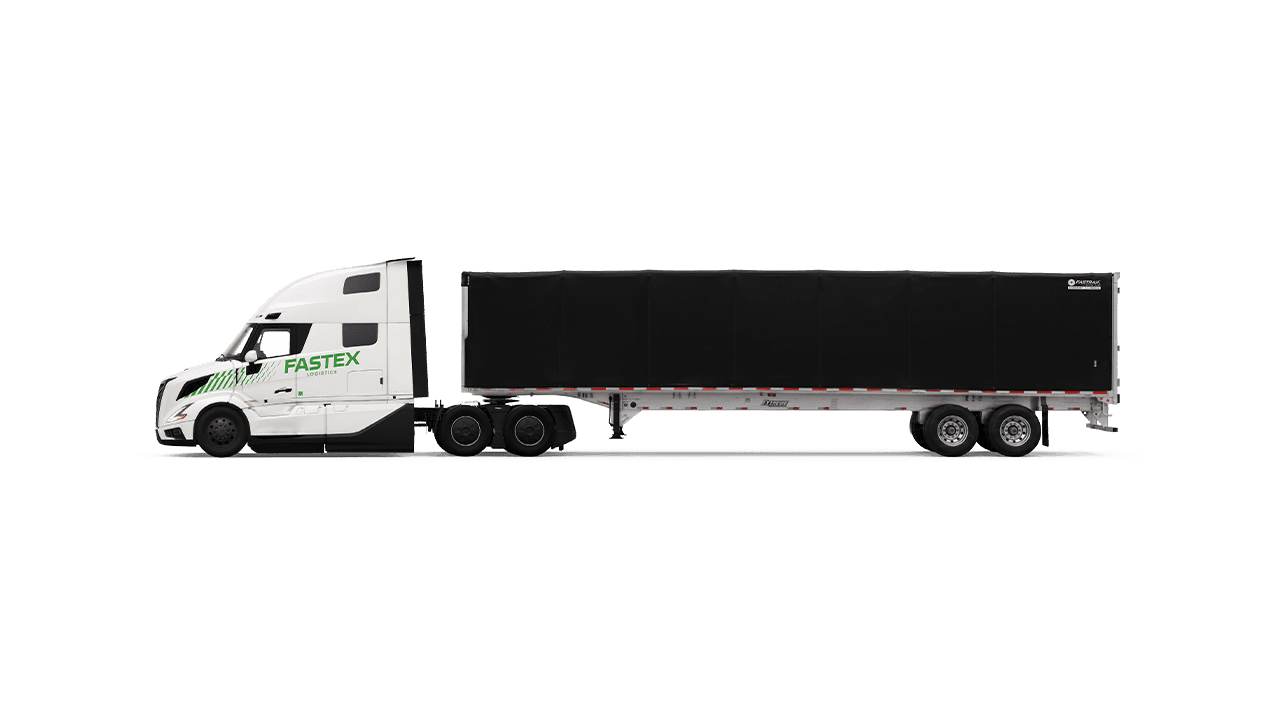
Conestoga
A conestoga is a flatbed or stepdeck fitted with a retractable tarp system on a rolling frame. The canopy slides back along the trailer to expose the deck for side or overhead loading, then closes over the load. It replaces manual tarping. A conventional tarp job takes 30 to 45 minutes and accounts for a large share of flatbed injuries, most of them falls from the deck. A conestoga opens and closes in a few minutes, from the ground. In Florida the system earns its keep on summer afternoons, when a storm can arrive between the minute you finish loading and the minute you would have finished tarping. Freight is generally product that needs weather protection but still requires open deck access: machinery, coiled steel, packaged building materials and finished goods. Securement rules do not change. The canopy protects the load and restrains nothing.
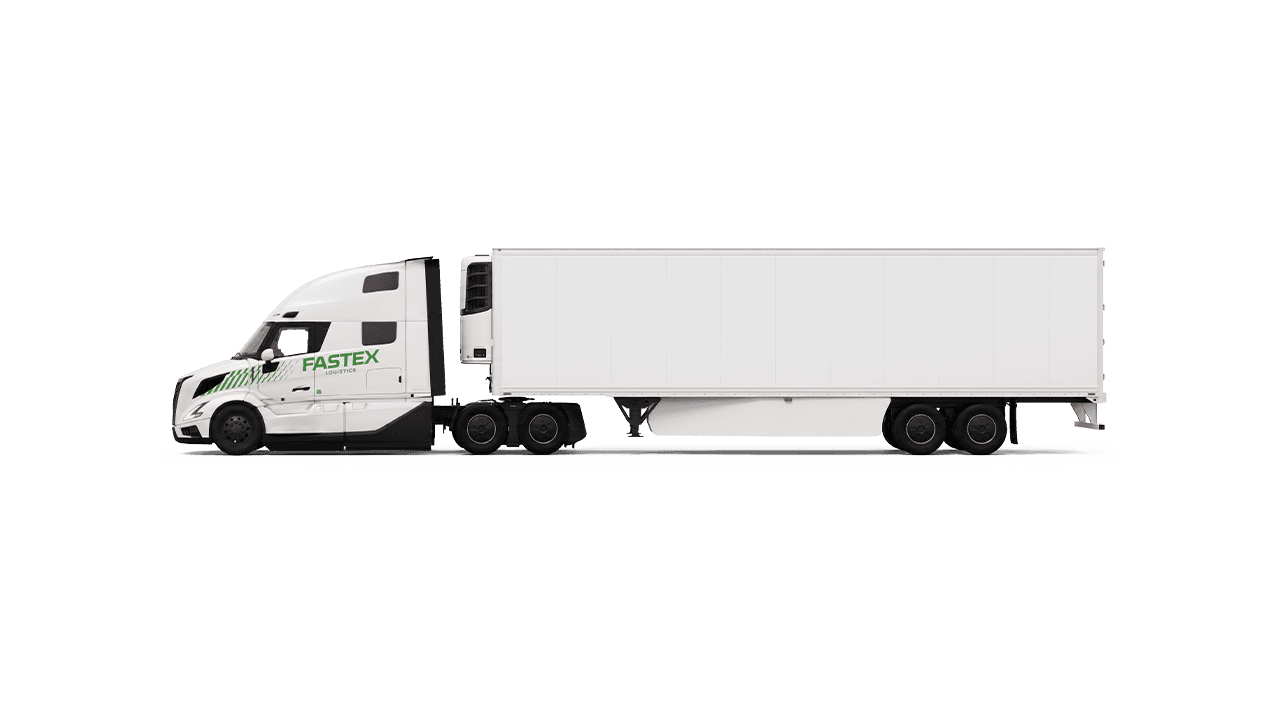
Reefer
Reefer assignments run temperature-controlled freight in refrigerated trailers. Out of Central Florida that means produce, frozen and refrigerated food, beverages and pharmaceutical product moving through Florida distribution centers and north on I-75 and I-95. Apopka’s nursery and foliage industry adds to the mix, since a good deal of ornamental plant stock ships under temperature control. The work is easier on the body than open deck and heavier on documentation. You verify the set point against the bill of lading, confirm the trailer is pre-cooled before loading, watch the unit in transit and keep temperature records. Food loads fall under the FDA Sanitary Transportation of Human and Animal Food rule, and a documented temperature excursion is a common reason a load gets rejected. Refrigerated receivers work fixed appointment windows, so scheduling is tighter and detention shows up more often than on open deck. Volume holds up year round.
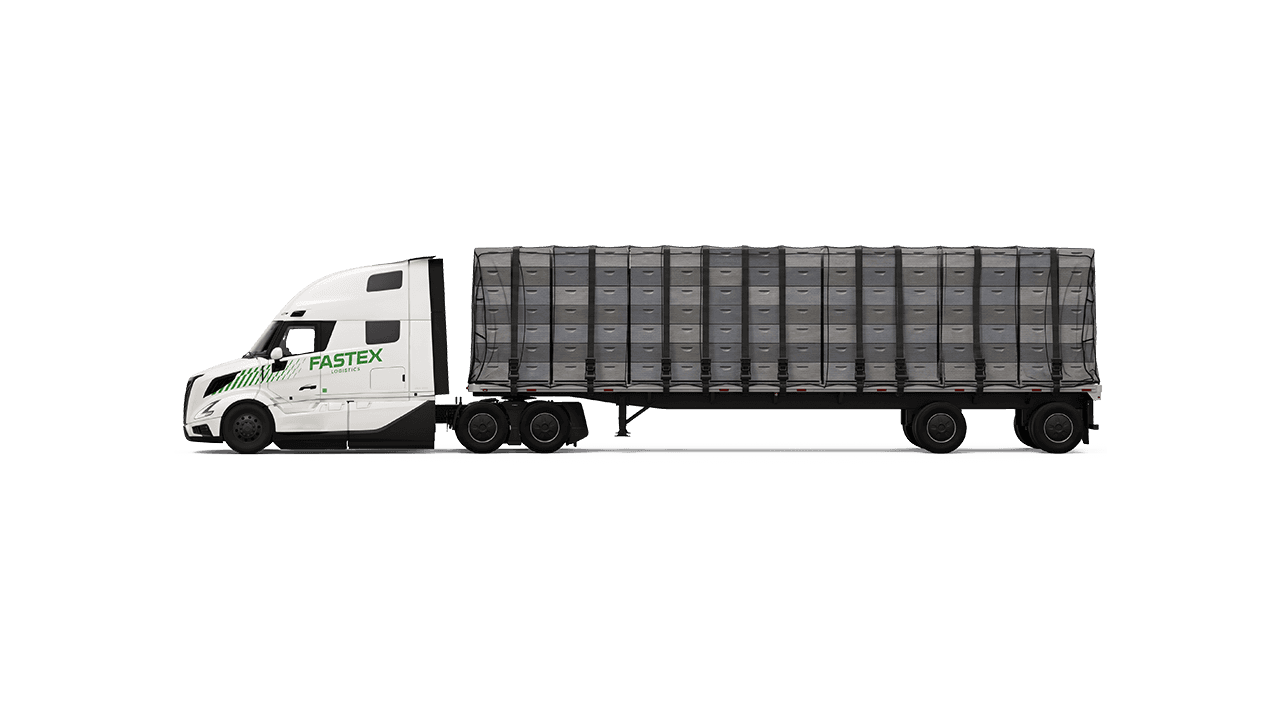
Bee Hauling
Bee hauling moves live commercial honeybee colonies for agricultural pollination. Out of Florida that means migrating hives across the Southeast, and we have been doing it for more than eight years. Live freight comes with its own rules. Securement uses standard strapping paired with heavy-duty netting over the stacked hives. You also manage airflow, which in practice means keeping the truck moving during the day so the colonies do not overheat. The schedule follows the bees rather than a warehouse. Loading and unloading happen at night or at first light, while the bees are dormant. It is an unusual clock and it asks for reliability, but the runs go farm to farm, so dock detention is not part of the job. Drivers who complete a season of it tend to ask for it again.
Our strong points
Our own terminal. Our own team.
No outsourcing.
Most carriers rent yard space and send their maintenance out. We did not.
Owned Terminal
A facility we own and operate, not a corner of a shared lot. Your truck, your trailer and your car all sit behind our gate.
In-House Maintenance Shop
Our technicians service our trucks on our schedule. When something breaks, you are not sitting in line at an outside vendor.
24/7 Dispatch & Accounting
Real people on our own payroll, in the building, answering at 2 a.m. the same as at 2 p.m.
In-House Safety Team
Compliance, DOT files and safety are handled by our own staff, not a third-party call center.
FAQs
CDL driver jobs in Apopka, FL:
questions we get asked
Do you hire CDL drivers who live in Apopka?
Yes. Apopka, Ocoee, Zellwood, Plymouth, Mount Dora and the rest of northwest Orange County all sit inside our normal hiring radius. You keep your home address and run out of our terminal south of Orlando International Airport.
How far is the terminal from Apopka?
About 30 miles. Most drivers run SR 451 to SR 429 south, then SR 414 east toward I-4, or take US 441 straight down. Figure 35 to 45 minutes depending on the hour. You can leave your personal vehicle at the yard between runs.
Do you hire drivers with less than two years of experience?
Two years of Class A experience is our standard. The application asks whether you are over or under that mark, so give us your real number. Under two years is not an automatic no. It means a longer conversation with the recruiter about where you have run and what you have hauled.
Is this an owner-operator or a lease program?
Neither. You drive our equipment, and we maintain it.
Do I need flatbed experience to get hired?
No. Class A time on a dry van or reefer is enough to start the conversation. If you want to move onto the open deck side, flatbed is where you begin. Stepdeck and lowboy come later, once you have shown you can secure a load properly.
What endorsements do you want?
Class A is the requirement. Anything beyond that widens what we can put you on, so mention every endorsement you hold when the recruiter calls.
Can I park my personal car at the terminal?
Yes. Secure parking for personal vehicles is included, and it is what makes the drive in from Apopka work.
How do I apply for a CDL driver job in Apopka, FL?
Fill out the form on this page and a recruiter will call you. It takes about two minutes and you do not need to upload anything.
Apply Now

Location
Work Hours (ET)
Monday - Friday: 9AM - 5PM
Saturday: 9AM - 3PM
Sunday: Closed
Contact
Phone: (224) 234-9269
Email: info@fastexinc.com

Data privacy
Cookie policy
Cookie consent
fastex logistics inc © 2026